Water operations
Water does not wait for anyone. It takes no account of how strong a swimmer you are, and it rarely offers a second chance if you get it wrong.
Our water operations team exists because people end up in the water when they should not be there. Sometimes by accident. Sometimes because of flooding. Sometimes because they have made a decision that brought them to the river’s edge. Whatever the reason, when the emergency services need a team that can operate safely on and around water, they call us.
Flood response
This is where our work becomes most visible to the public, and it is the area that resonates most strongly with the communities we serve.
When rivers burst their banks and towns like Tenbury Wells, Shrewsbury and Bewdley find themselves under water, our boat teams are among the first to deploy. We are a registered DEFRA flood rescue boat team, which means we meet the national standards for flood rescue capability and are listed on the national asset register. That status allows us to be called to respond anywhere in the country when widespread flooding occurs.
During flood events, our teams work alongside the fire service and other agencies to evacuate trapped residents, check on vulnerable people, and provide boat-based transport where road access has been cut off. It is physically demanding, often dangerous work. Fast-moving floodwater carries debris, hides hazards and changes constantly. Our swiftwater rescue technicians are trained to read the water, assess the risks and operate within it safely.
River and waterway search
Away from the dramatic flood events, much of our water work is quieter but just as important.
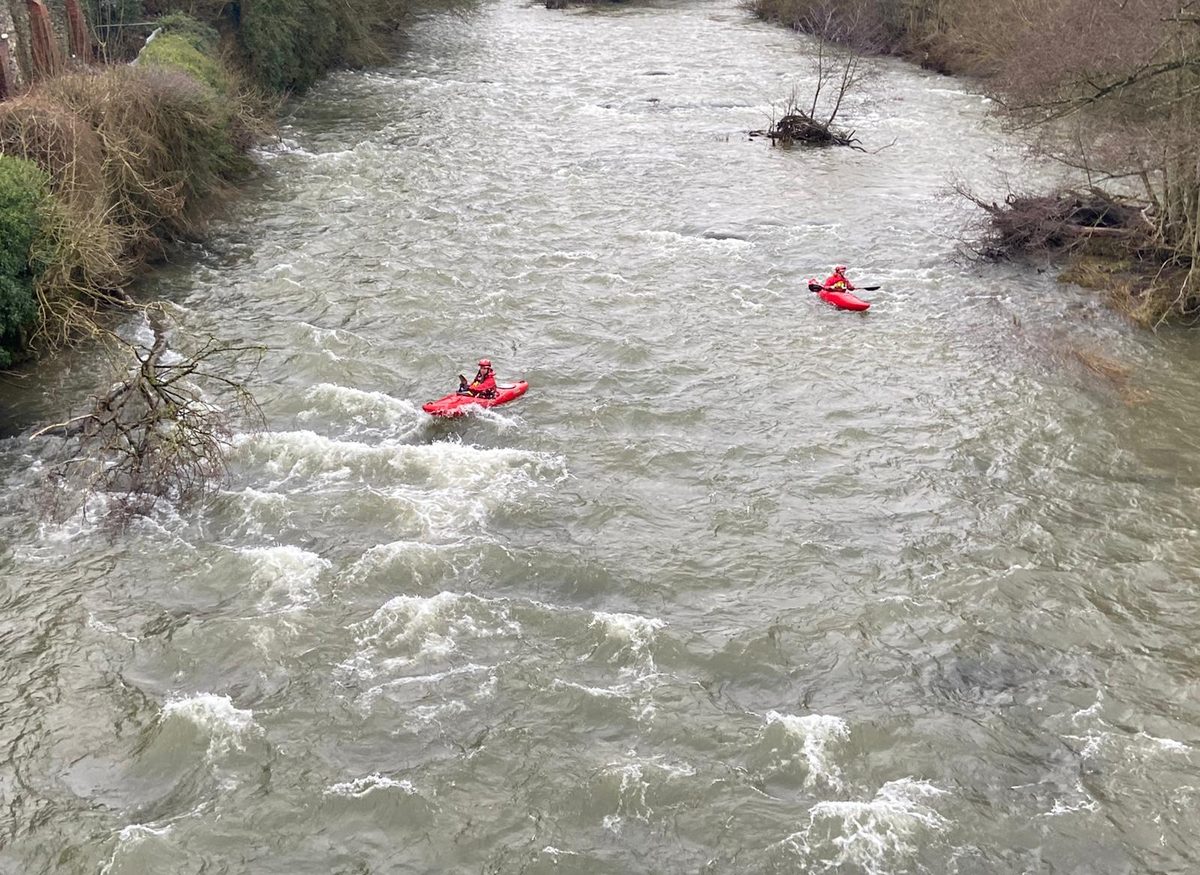
We patrol river banks and canal towpaths looking for vulnerable individuals. We deploy boats to search stretches of water that cannot be checked from the bank. We use sonar equipment to scan below the surface of rivers, reservoirs and canals when there is reason to believe someone may be in the water.
The River Severn, the River Teme, the Shropshire Union Canal and dozens of smaller waterways run through our operational area. Every one of them presents different challenges, different hazards and different search requirements. Our teams know these waterways because they train on them regularly.
Our water assets
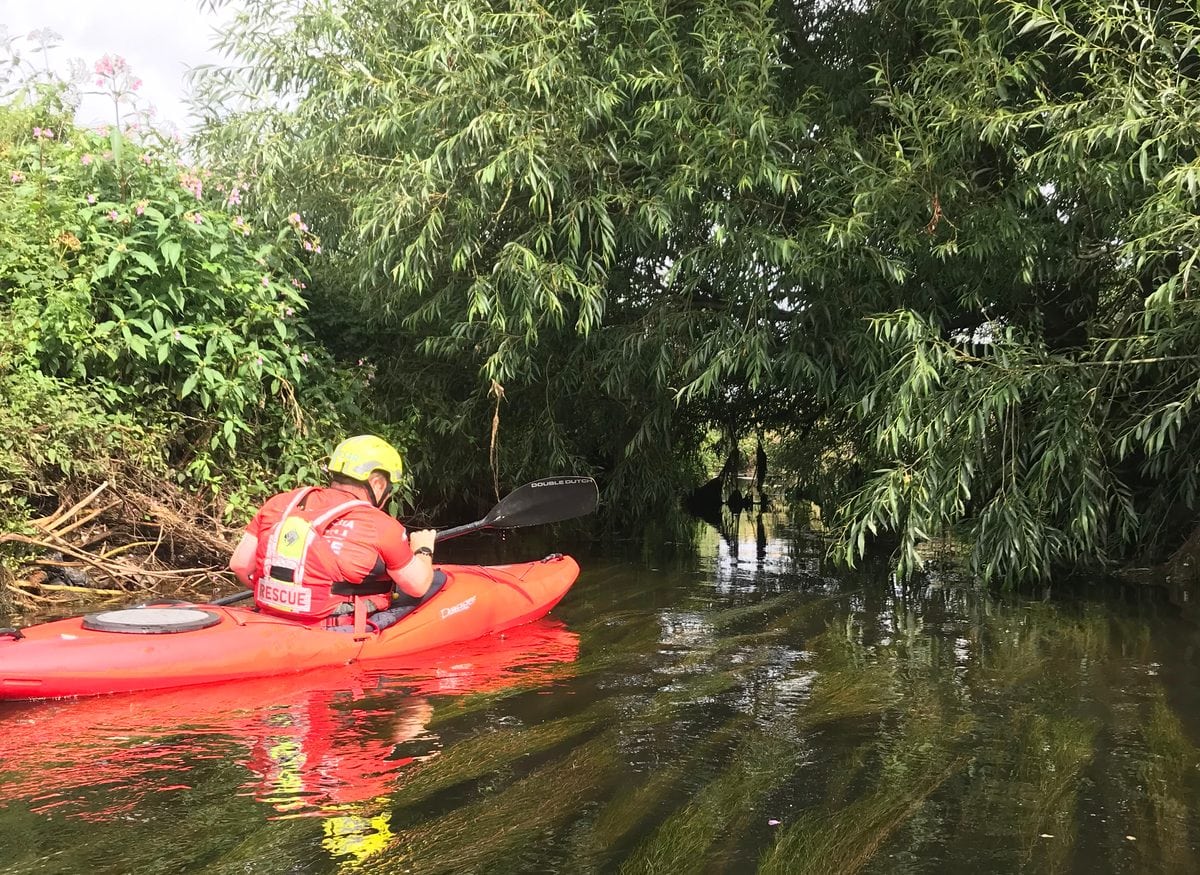
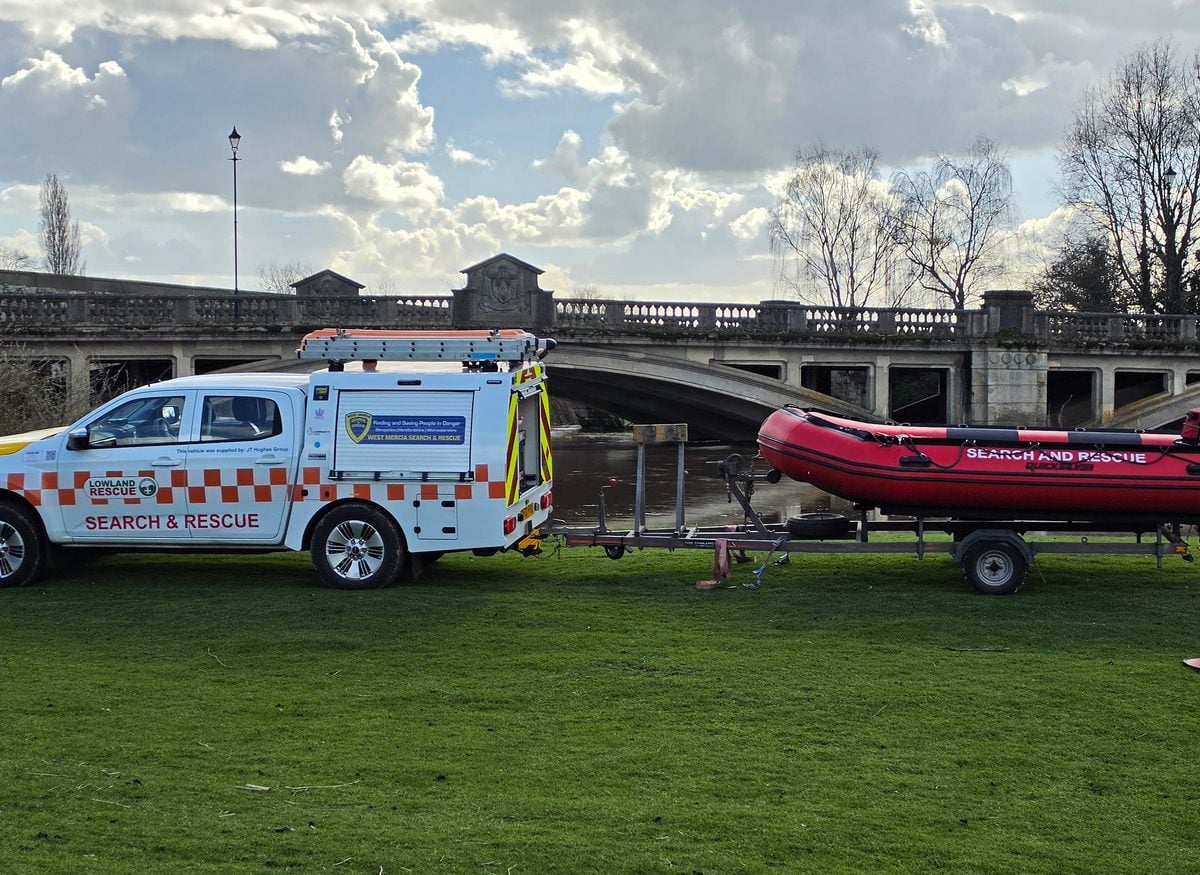
Our current water capability includes three powerboats fitted for search and rescue operations, two inflatable rafts for shallow water and flood deployment, a fleet of rescue kayaks, a water response vehicle carrying the kayak fleet and associated equipment, sonar equipment capable of detecting objects and individuals below the surface, and an underwater drone that can search in conditions where divers cannot safely operate.
We also have trained swiftwater rescue technicians who hold Rescue 3 certification, the international standard for water rescue.
These are the people who go into the water when others cannot.
What this costs
Maintaining this level of capability is expensive. Boats need servicing. Dry suits need replacing. Swiftwater training courses cost hundreds of pounds per person. Fuel, insurance, vehicle maintenance, safety equipment. None of it is provided by the government. Every penny comes from charitable donations and grants.
When you see our teams in the floodwater on the news, remember that the boat they are in, the equipment they are wearing and the training that keeps them safe was all paid for by people like you.