What we do
West Mercia Search & Rescue save people in danger, and it is as simple and as serious as that.
We are a team of over 80 trained volunteers who are on call around the clock, every single day of the year. When the police or fire services need specialist help finding a missing person or rescuing someone from floodwater, they call us.
We do not charge for what we do. We are not part of the police or fire service. We are not paid. Every single member of this team gives their time, their skills and often their own money to keep this charity running and its people ready to respond.
That is worth saying again, because most people assume we are funded by the government. We are not.
Every piece of equipment, every hour of training, every litre of fuel and every vehicle on the road is paid for by charitable donations and grants. Without the generosity of individuals, businesses and organisations who believe in what we do, we simply could not operate.
What we do not do
This is important, and we want to be upfront about it.
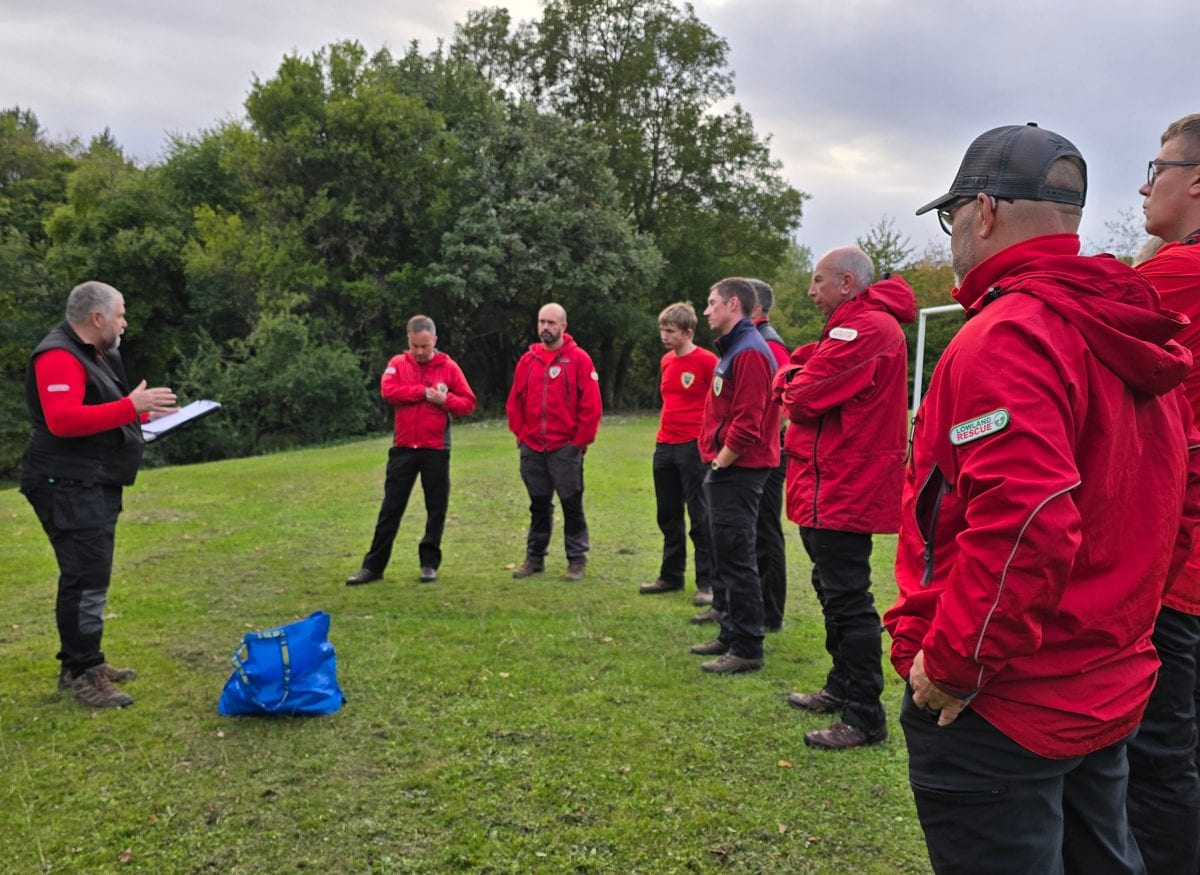
You cannot call us directly if someone goes missing. We can only be deployed by the police, fire or ambulance services. If you believe someone is in danger or has gone missing, call 999. The emergency services will contact us if they need our help.
We are not a replacement for the emergency services. We work alongside them, providing specialist capability that they do not have the resources or the training to deliver themselves. Think of us as the reinforcements that arrive when the situation needs more than the usual response.
Our capabilities
We operate across four main areas, each of which demands its own specialist training, equipment and approach.
Land search operations
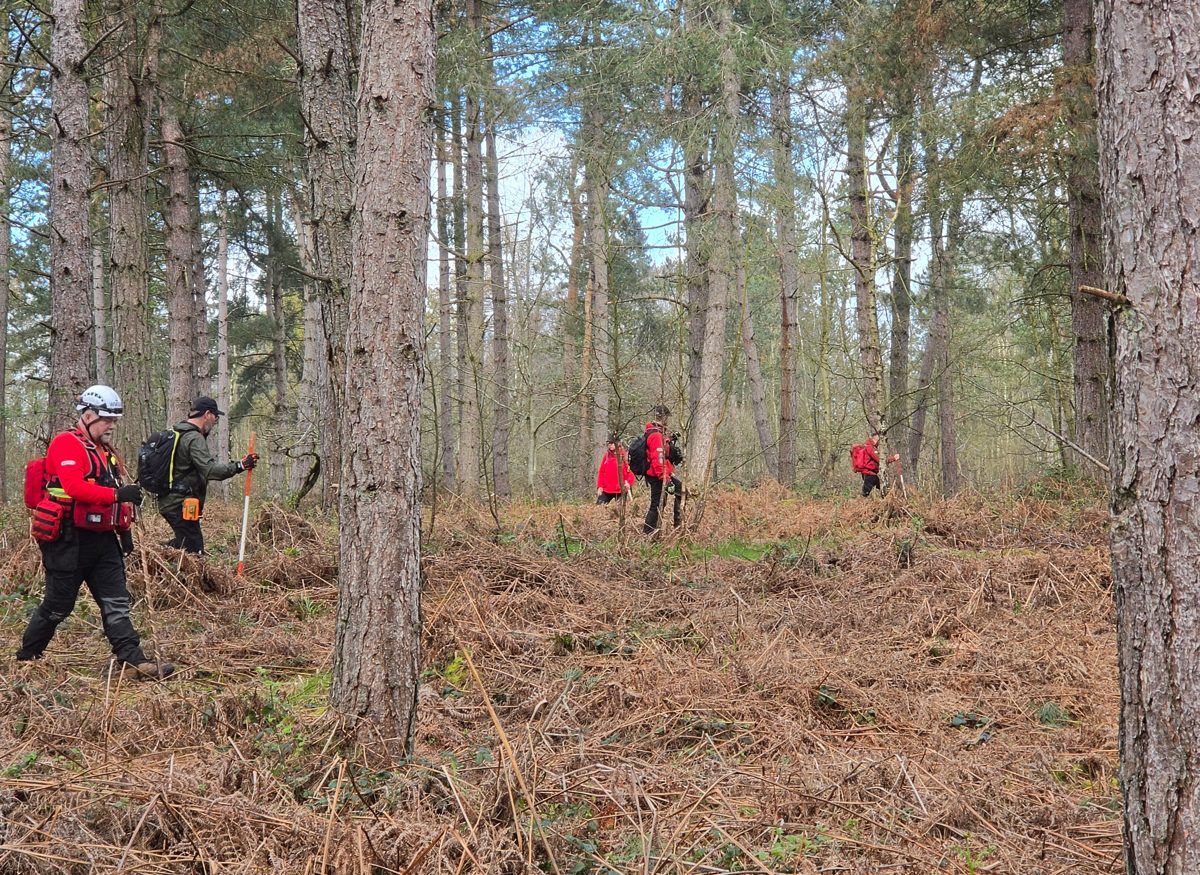
When someone goes missing, the search area can be vast. Woodland, open farmland, river banks, urban streets.
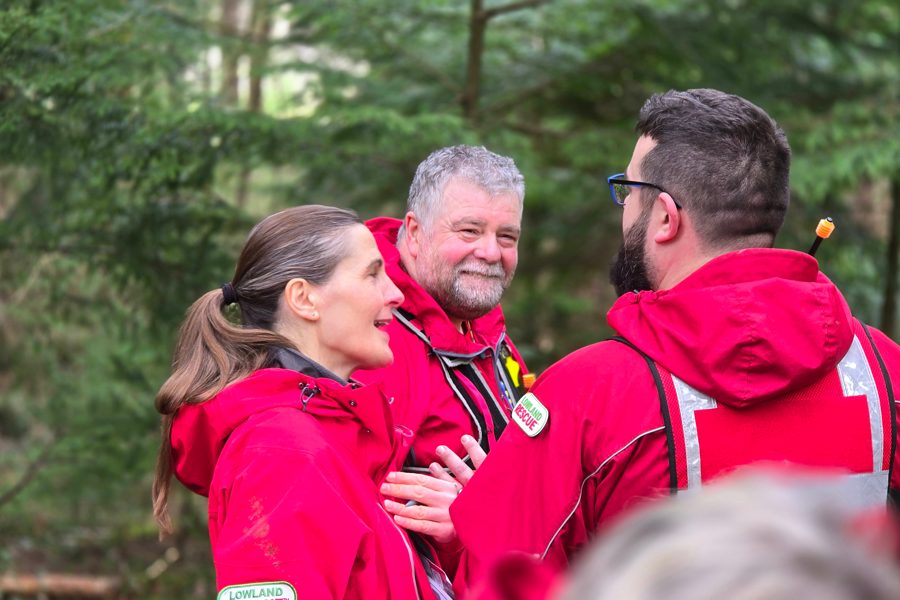
Our search technicians are trained to Lowland Rescue standards and use techniques developed from the analysis of thousands of missing person cases.
We do not search at random. We use statistical models that predict where a missing person is most likely to be based on their age, circumstances and behaviour. It is methodical, painstaking work that can last for hours or even days.
Flood response and water rescue
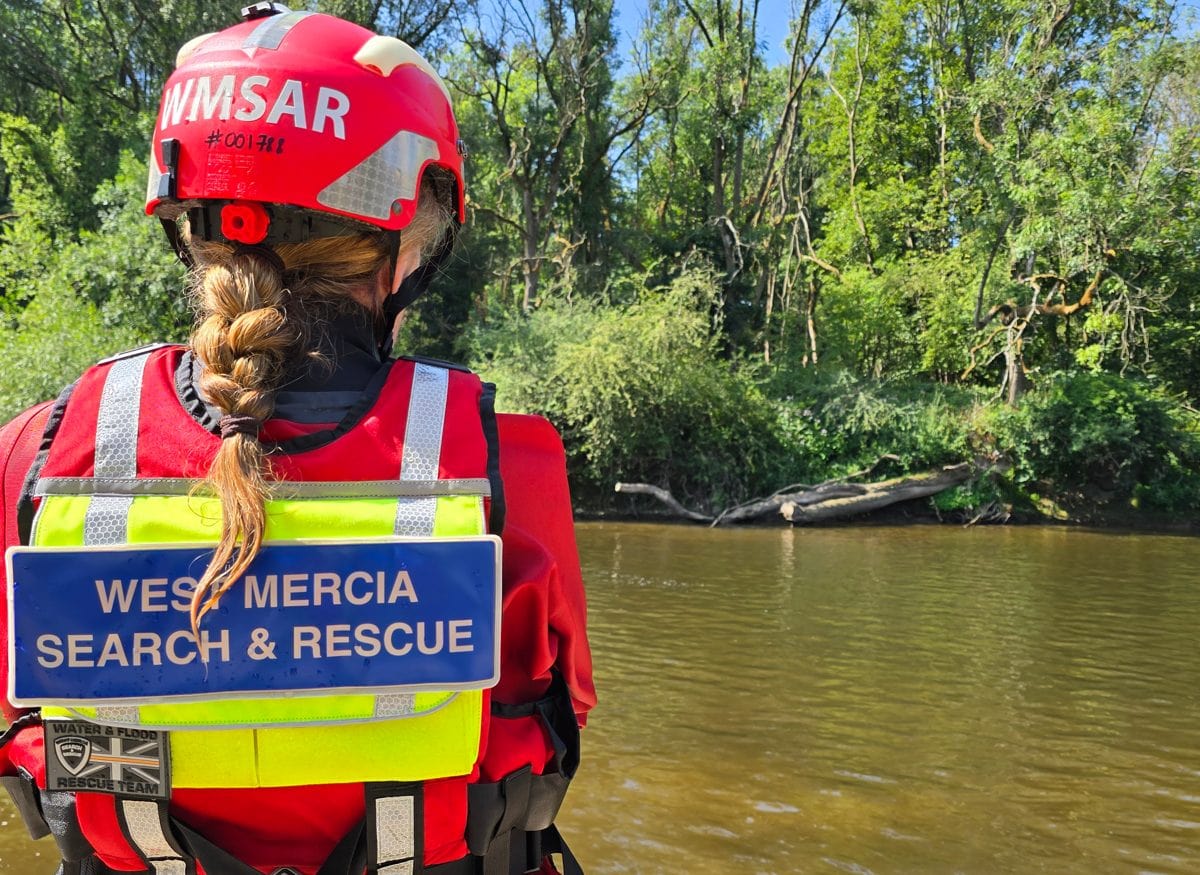
Rivers rise without warning. When they do, our DEFRA-registered boat teams are ready to deploy. We carry three powerboats, two rafts, a fleet of kayaks, sonar equipment, and an underwater drone. Our swiftwater rescue technicians are trained to operate in fast-moving, dangerous water. We are one of a limited number of teams on the DEFRA national flood rescue asset register, which means we can be called to respond anywhere in the country when widespread flooding occurs.
Flood response tends to attract the most public attention, and rightly so. But the less visible side of this work is just as critical. Our bankside search teams patrol rivers and canals looking for vulnerable individuals, and our sonar capability allows us to search beneath the surface when other methods have been exhausted.
Drone and sonar search
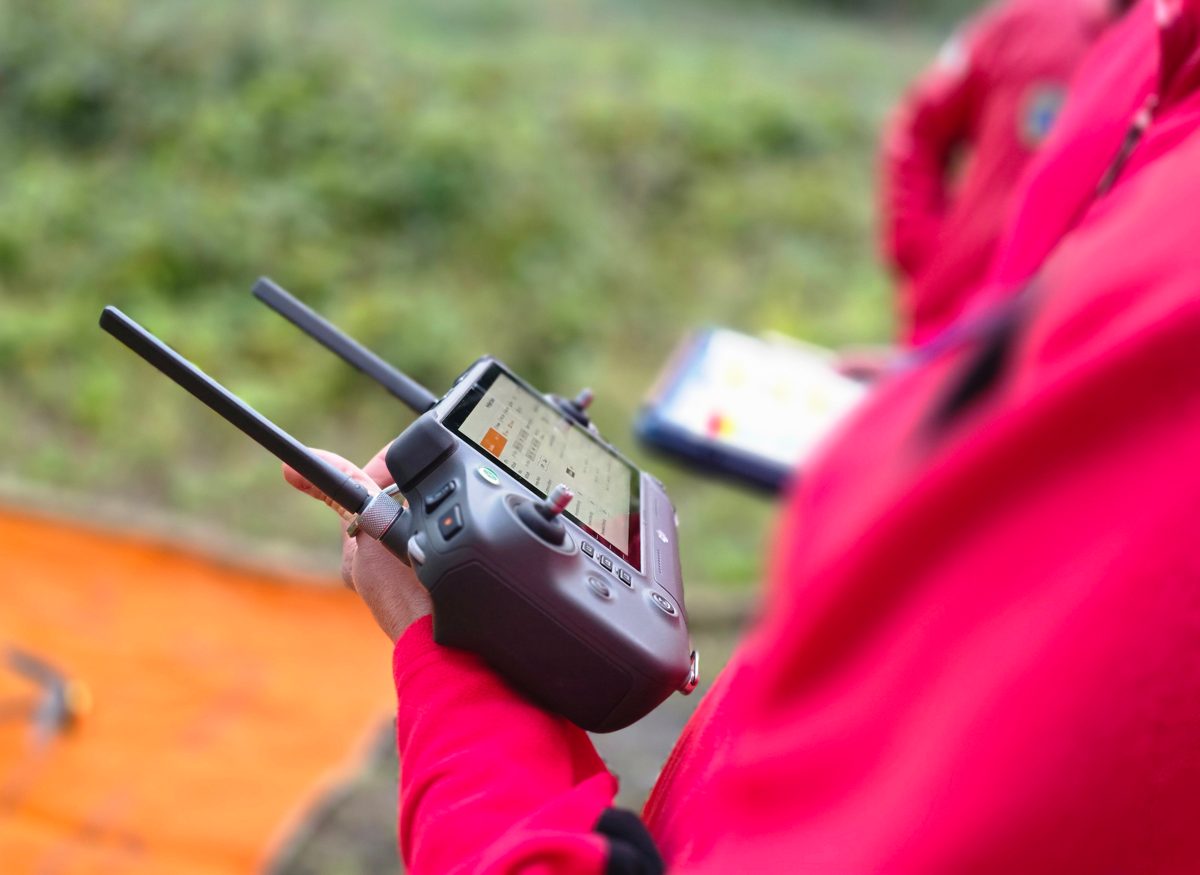
Our drone team provides aerial search capability using both thermal and visual imaging. A single drone can cover in minutes what would take a ground team hours to search on foot.
The thermal cameras are particularly valuable at night, when a missing person’s body heat can be detected from the air in conditions where they would be invisible from the ground.
Below the surface, our sonar team operates equipment that can detect objects and individuals in rivers, reservoirs and canals. This is specialist work that very few volunteer organisations in the country can provide.
Community safety education
We believe the best rescue is the one that never needs to happen.
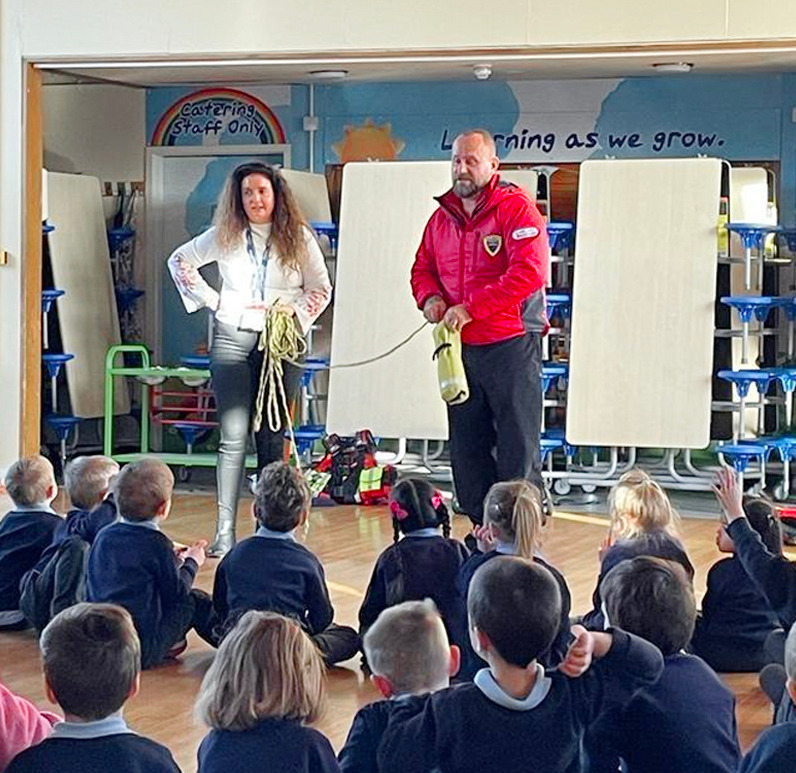
Our Home and Dry programme teaches water safety to schools, community groups and the general public. Over 50,000 people have completed our free online course, and our volunteers deliver in-person sessions to schools and organisations across all three counties.
We also provide free CPR training and first-on-scene guidance to community groups and businesses, because the few minutes before an ambulance arrives can make the difference between life and death.
Our equipment
All of this capability is only possible because of the equipment our donations fund.
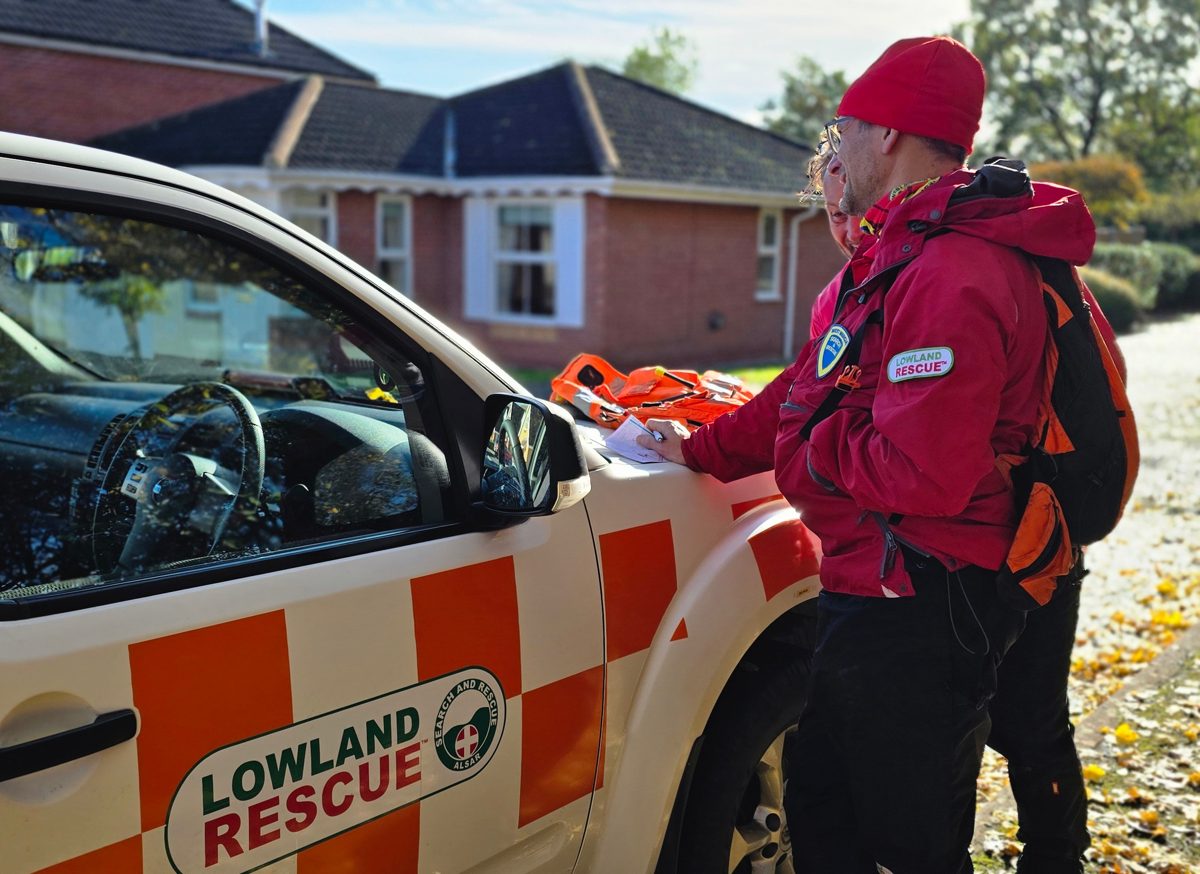
Our current assets include three powerboats, two inflatable rafts, a fleet of rescue kayaks, sonar and underwater drone capability, a search dog team (in development), an aerial drone team, an incident command vehicle, a crew welfare and equipment vehicle, two 4×4 response vehicles, and quad bikes for large-scale rural searches.
None of this is provided by the government.
Every single item has been purchased, maintained and insured through charitable donations.
More in this section
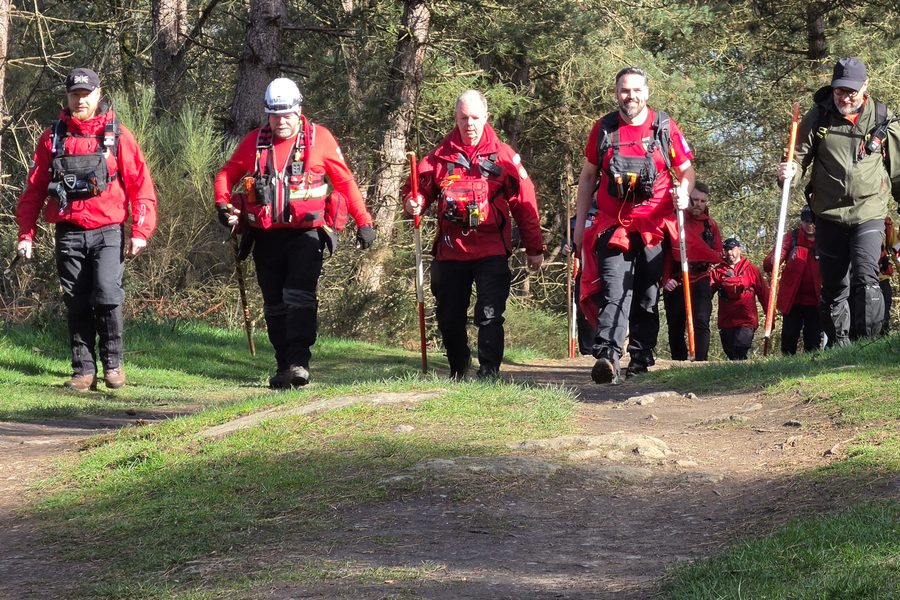
Land search operations
Methodical, behaviour-led searching across woodland, farmland and urban streets. How our teams find missing people.
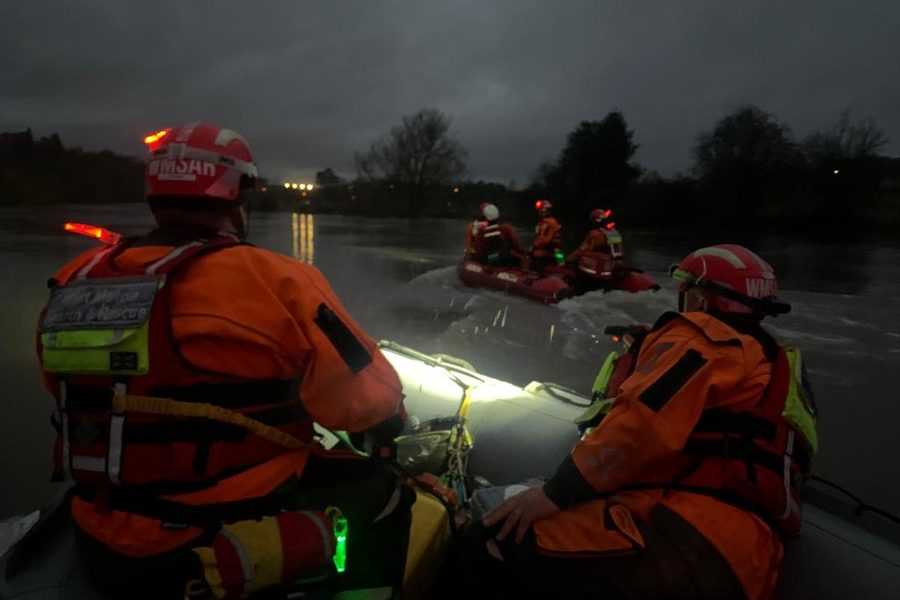
Water operations
DEFRA-registered boat teams, swiftwater rescue technicians and sonar. How we work on, in and under the water.
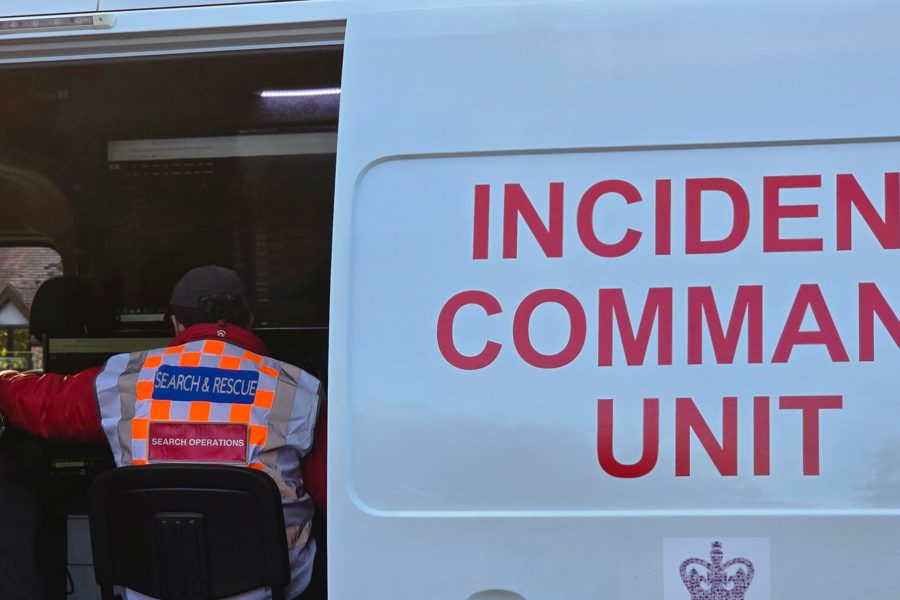
How we are deployed
We can only be deployed by the emergency services. Follow a callout from the first phone call to teams arriving on scene.
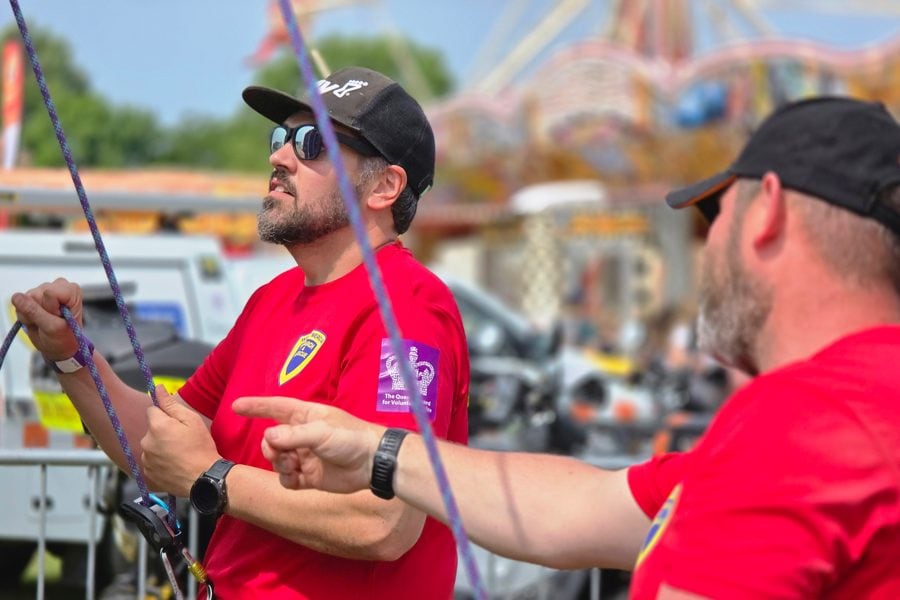
Training and standards
Every operational member is a qualified search technician, trained to Lowland Rescue standards. See what the training involves.
Frequently asked questions
How long does training take? Do I need experience? The questions we hear most, answered.