Land search operations
The clock starts the moment the call comes in, and our job is to find that person before it is too late.
When the police call us, someone is in danger. They might be an elderly person with dementia who walked out of a care home hours ago. A child who did not come home from school. A young adult in crisis who has gone to a place they should not be, intending to do something that cannot be undone.
How we search
We do not search at random, and we do not rely on luck. Our search managers are experts in missing person behaviour, drawing on research and statistical data gathered from thousands of cases across the UK and internationally. People who go missing tend to follow patterns based on their age, their mental state, the terrain around them and the reason they left.
A person with dementia, for example, will typically follow paths and roads, moving away from their last known location in a way that is predictable once you understand the condition. A child will behave differently to a teenager, and a teenager differently to an adult in mental health crisis. Our search plans are built around these behavioural models, and they work.
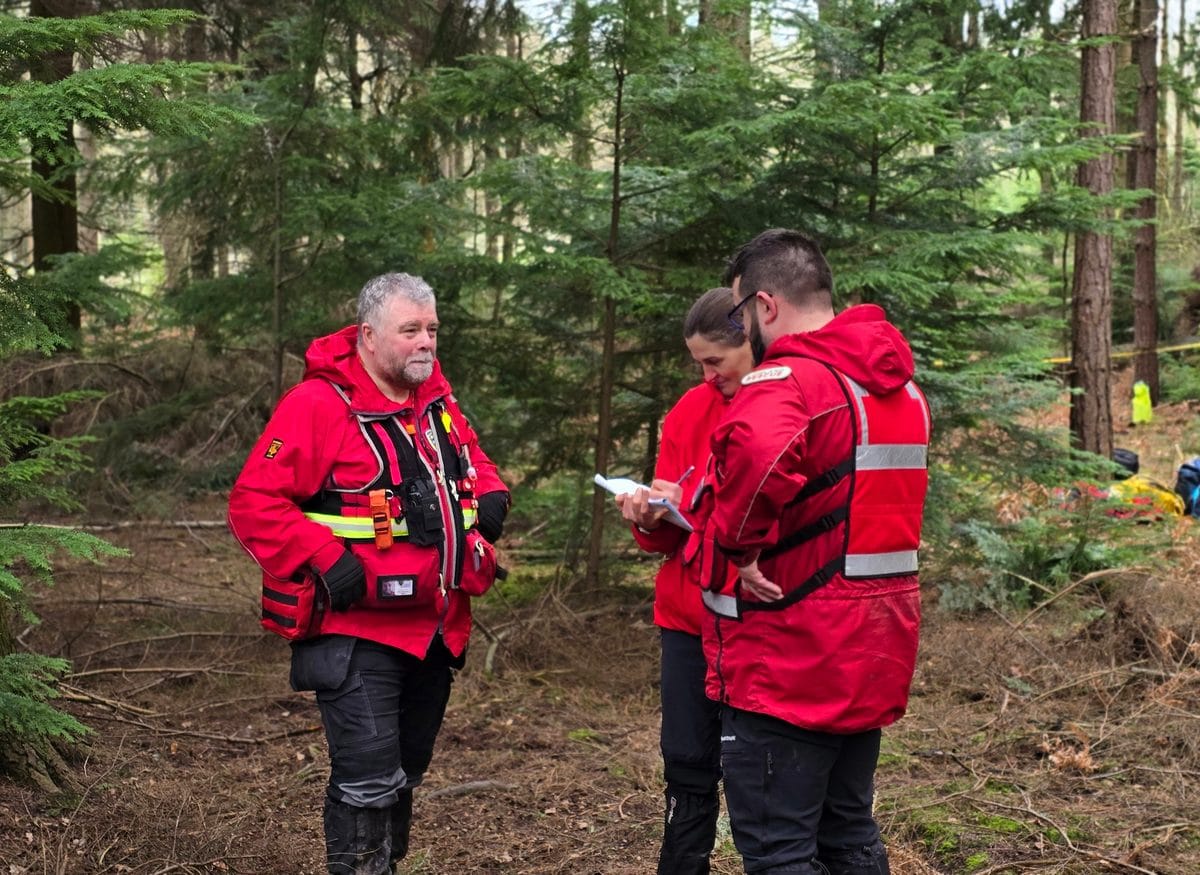
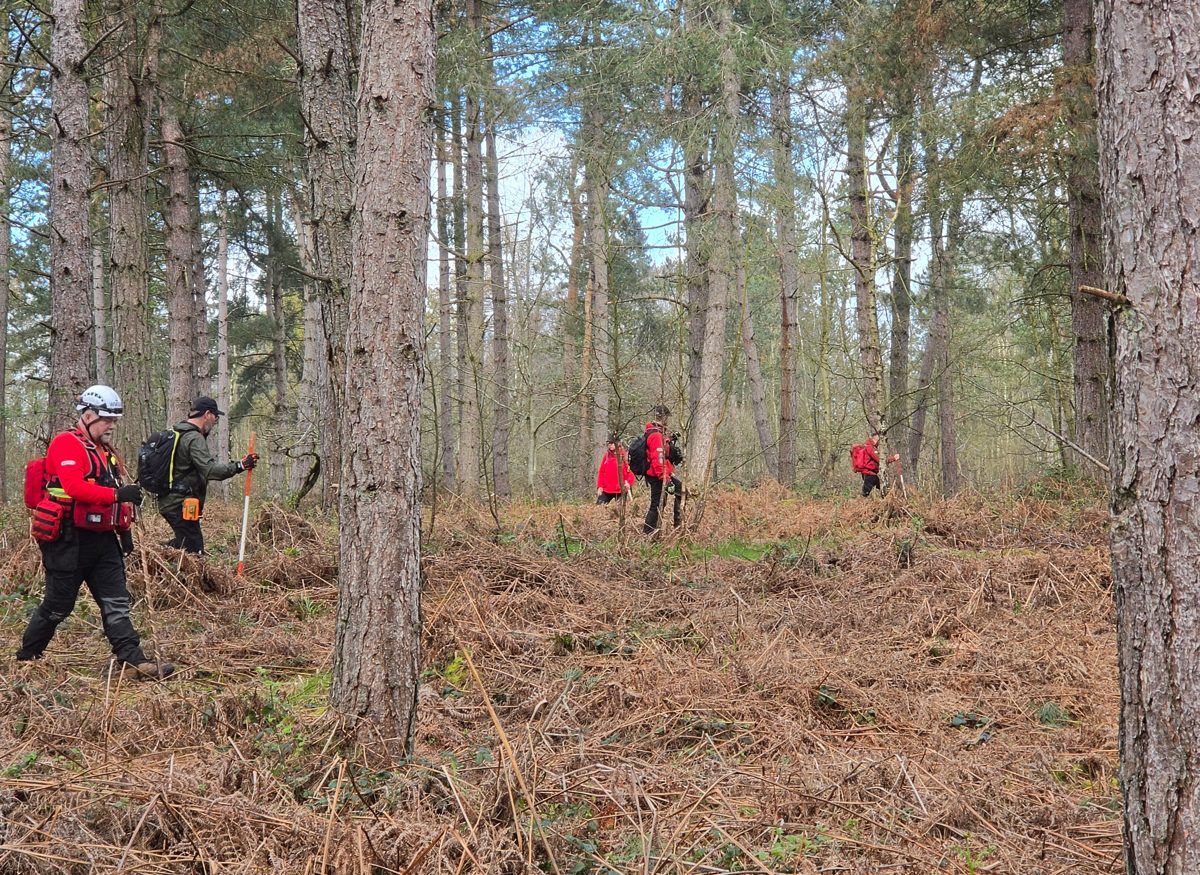
Once the search plan is in place, our teams deploy. Search technicians work in pairs or small groups, covering their assigned areas using systematic techniques that maximise coverage whilst minimising the chance of missing something. This is not walking in a line with your head down. It is skilled, disciplined work that requires concentration, fitness and the ability to operate safely in difficult terrain, often in the dark, often in poor weather, often for hours on end.
Where we search
Shropshire, Herefordshire and Worcestershire cover an enormous area. Dense woodland, open farmland, steep hillsides, river valleys, canal towpaths, industrial estates, housing developments and everything in between.
Our teams train in all of these environments so that when the call comes, they can operate effectively wherever the search takes them.
Some of the most challenging searches involve areas that are difficult to access. Remote farmland with no road access. Flooded fields. Dense undergrowth along river banks.
Our 4×4 vehicles and quad bikes allow us to reach areas that standard vehicles cannot, and our training prepares us to work safely in conditions that would stop most people in their tracks.
The people who do this
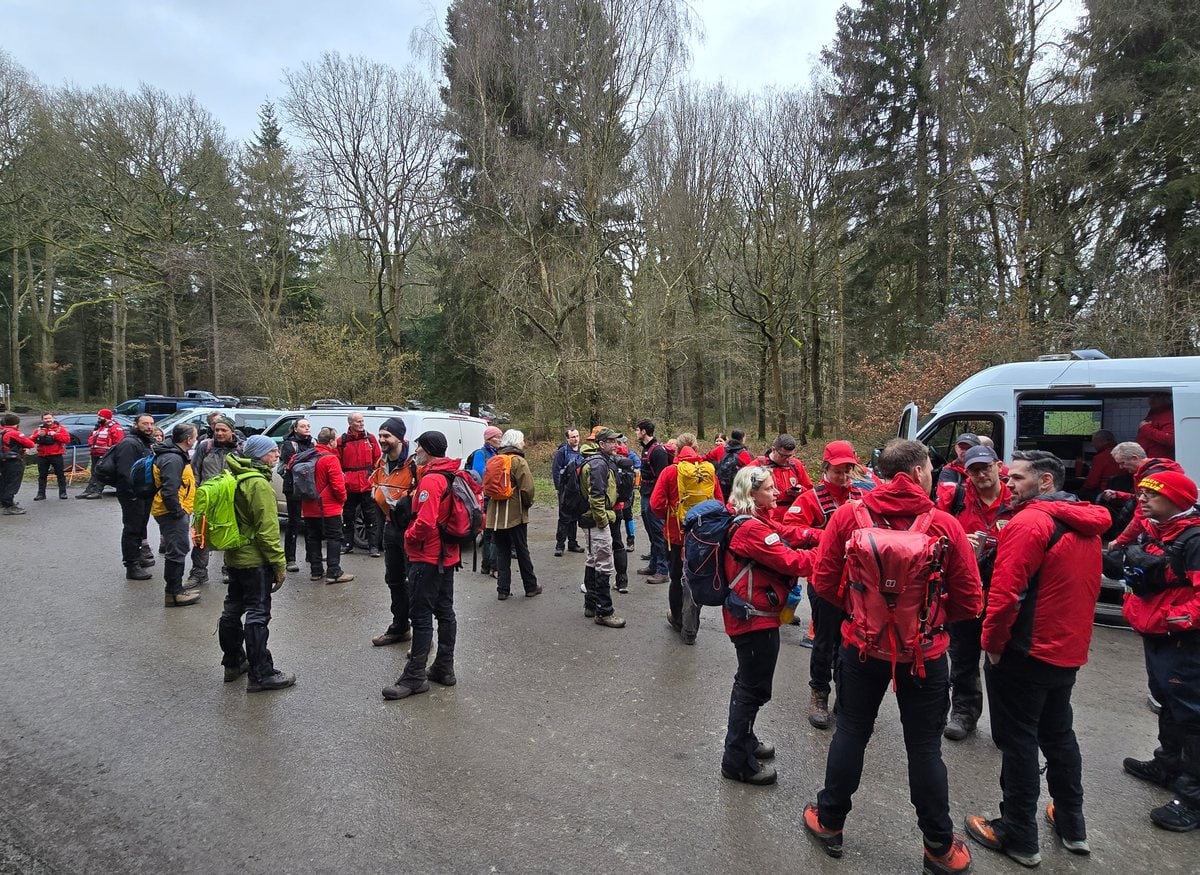
Every operational member of the team is a qualified Search Technician, trained to Lowland Rescue standards. Many go on to become Team Leaders, Search Planners and Search Managers. The training takes months, and it is demanding, because the work requires a level of commitment, resilience and reliability that not everyone can sustain alongside their day job, their family and their life.
The people who do make it are remarkable. They are teachers, engineers, office workers, tradespeople, retired professionals, students. Ordinary people with ordinary lives who choose to do something extraordinary when the phone rings.
They leave their beds at 2am, drive for an hour at their own expense, spend eight hours searching in the rain, and then go to work the next morning. Nobody pays them and nobody makes them do it. They do it because they care.
What happens when we find someone
The moment of finding is not always the relief you might imagine. Some of the people we search for do not want to be found. Some are in a state of medical emergency. Some, tragically, are beyond help.
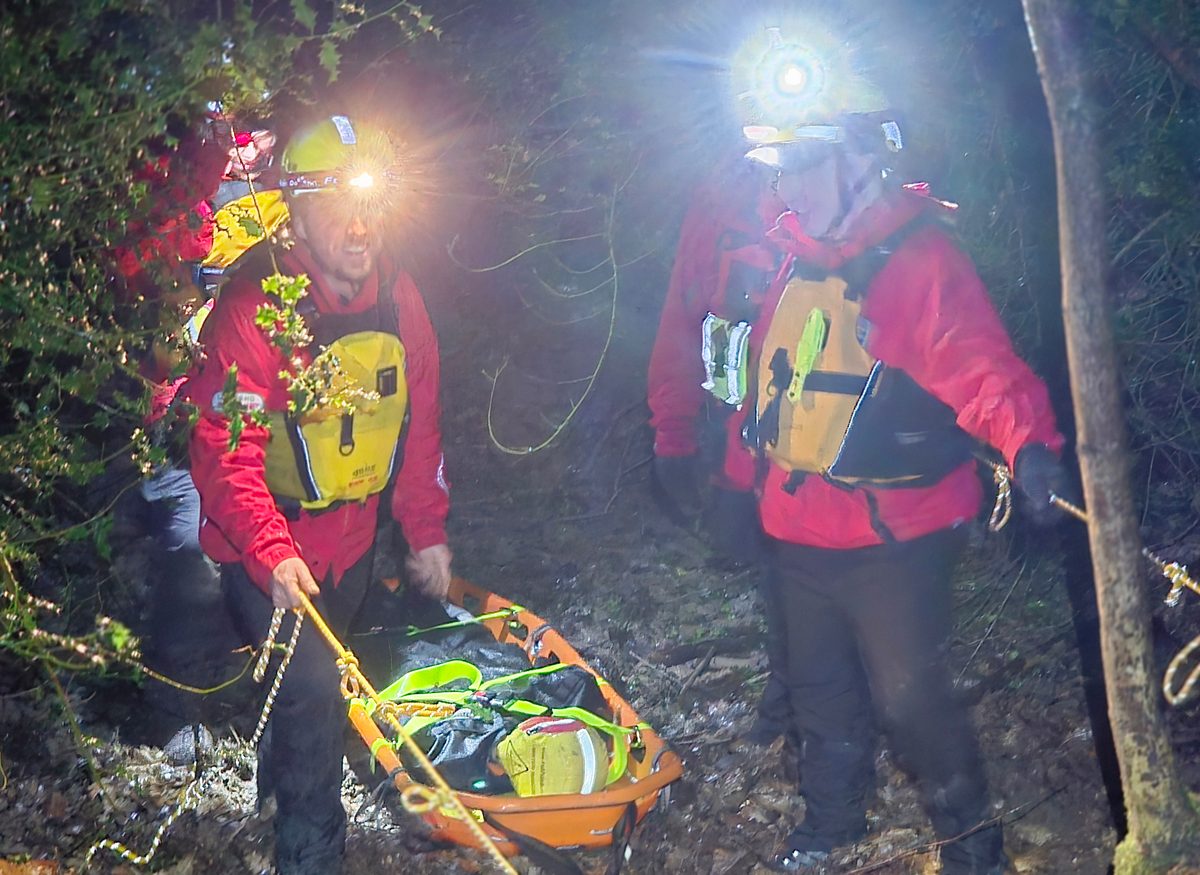
Our teams are trained in casualty care, scene management and the safe extraction of individuals from difficult locations. We stabilise, we protect, we get them to the roadside for the ambulance crew.
For the searches that end well, there is a quiet satisfaction. No fanfare, no celebration. The person is safe and the family can breathe again. Our volunteers pack up their kit, drive home, and get on with their lives until the next call.