Water safety
The best rescue is the one that never needs to happen.
We say that a lot, because we mean it. Every time our team is called out to search for someone near water, or to pull someone from a flooded river, there is a moment where we all think the same thing: this could have been prevented.
Not every incident can be prevented, and some emergencies are genuinely unforeseeable. But a great many of the incidents we respond to involve people who did not understand the risks. The dog walker who tried to cross a flooded stream. The teenager who jumped into a river on a hot day without knowing about cold water shock. The elderly person who slipped on a canal towpath. The person in crisis who went to the water’s edge.
If we can stop even some of those situations from becoming emergencies, that is as valuable as any rescue.
What we offer
Our water safety work falls into four areas, and all of it is free.
Our flagship programme
Home and Dry
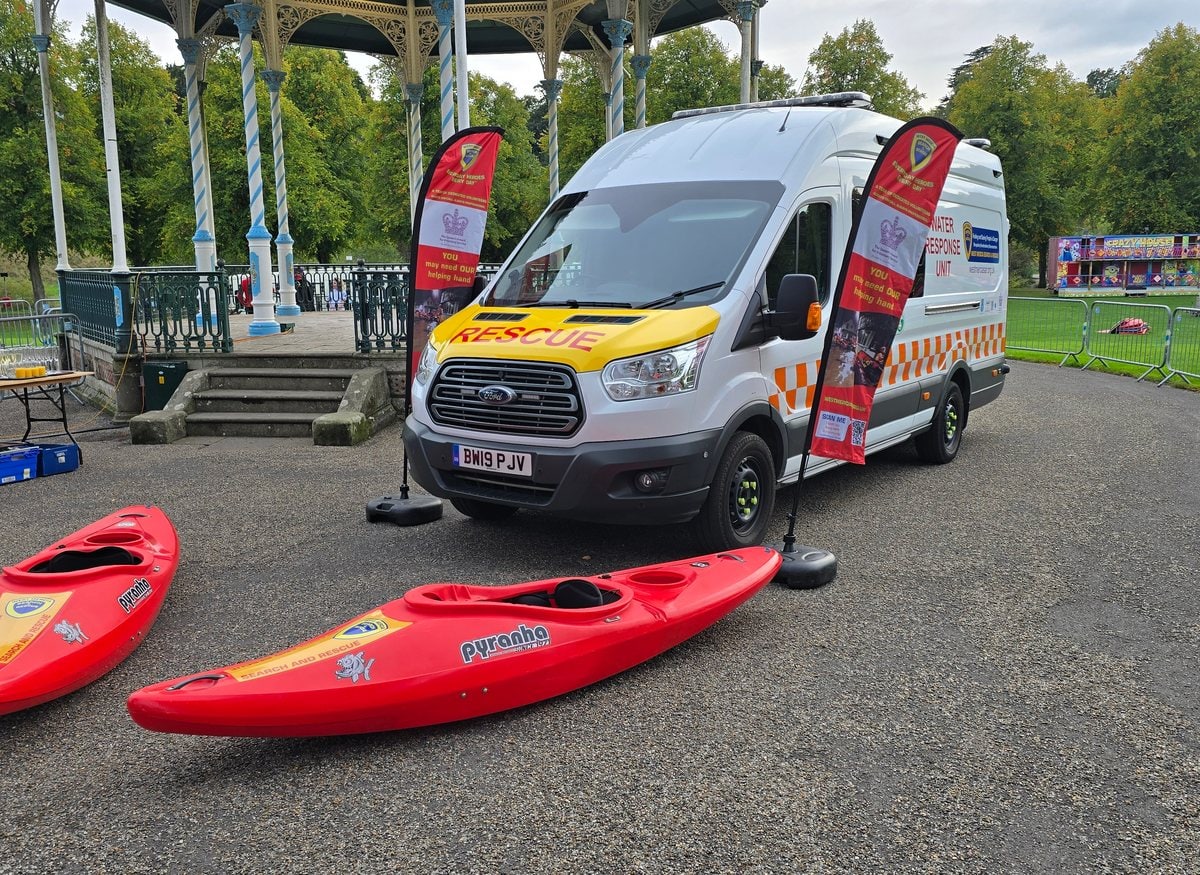
Our flagship water safety programme. A free online course that teaches you how to stay safe near water, how to rescue someone in trouble without putting yourself at risk, and how to revive a casualty. It takes 20 to 30 minutes and has been completed by over 50,000 people. We also deliver Home and Dry as in-person sessions to schools and community groups.
Safety advice
Practical guidance on staying safe around the rivers, canals and reservoirs in our region.
Schools and community
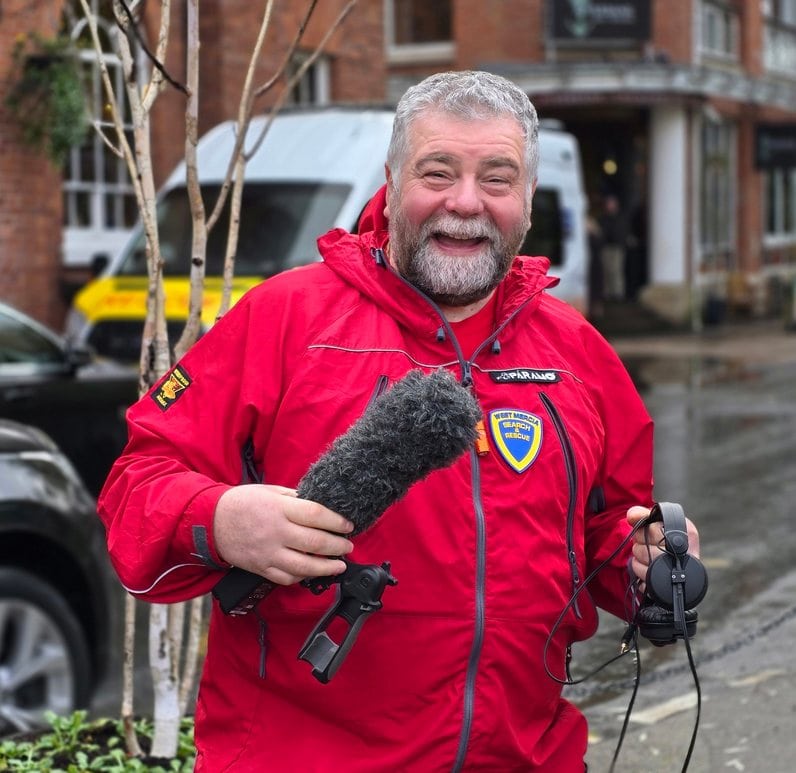
We send trained volunteers into schools and community groups to deliver water safety talks and demonstrations.
Resources
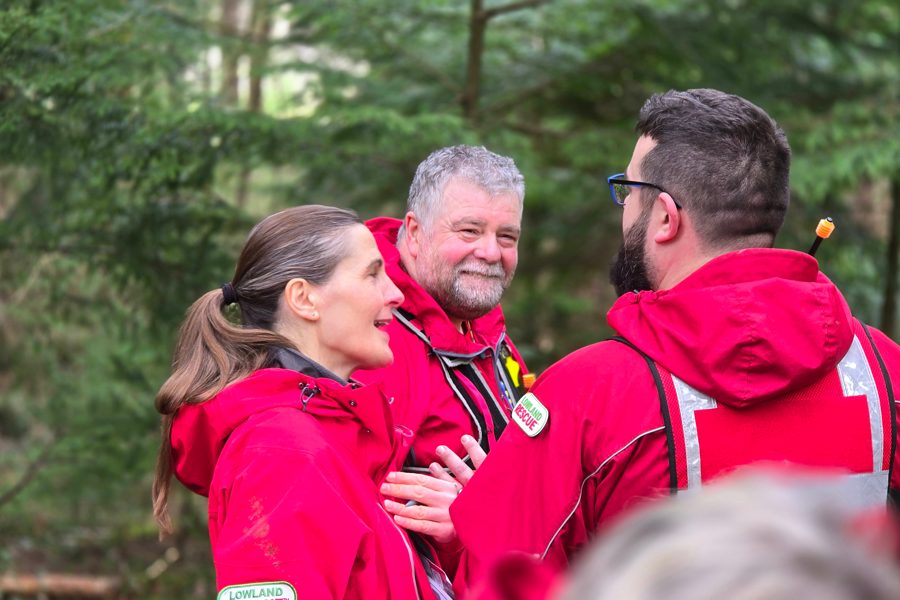
Downloadable guides and information packs for carers, families, teachers and community leaders.
Why we do this
We are not water safety educators by profession. We are search and rescue volunteers. But we have seen what happens when people do not understand the water. We have pulled people from rivers who had no idea how fast the current was. We have searched for swimmers who did not know that cold water shock can incapacitate a strong adult in under a minute. We have comforted families who are waiting for news that may never be good.
That is why we teach. Because we would rather spend our time in a classroom than in the river.