Training and standards
Everything we do depends on training.
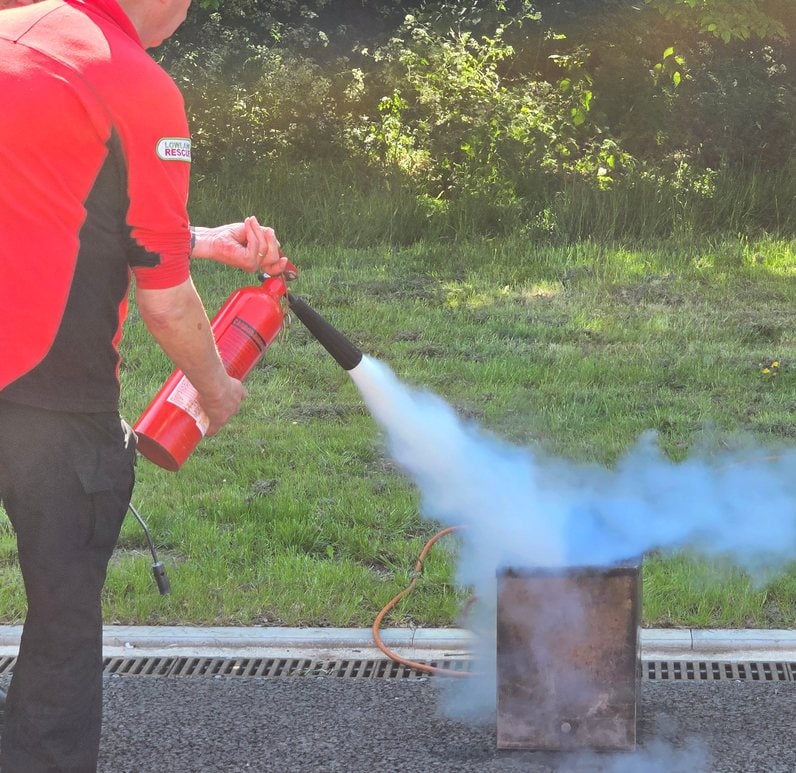
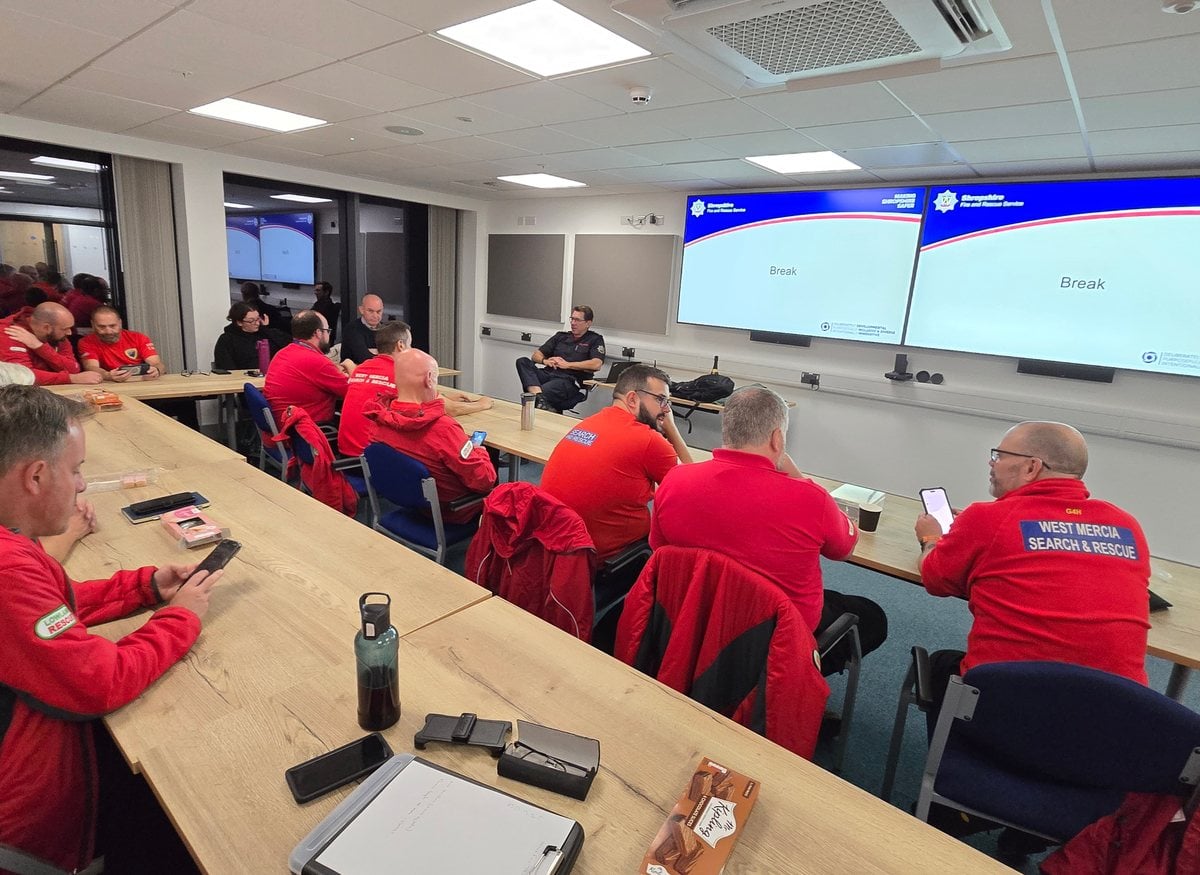
You cannot send untrained people into a flooded town or a night search through dense woodland and expect a good outcome. Our volunteers train hard, they train regularly, and they are held to the same professional standards as the emergency services.
Becoming operational
New recruits join us with no expectation of prior experience. We provide all the training. But we are honest about what it takes, because we would rather people understood the commitment before they start than discover it three months in and walk away.
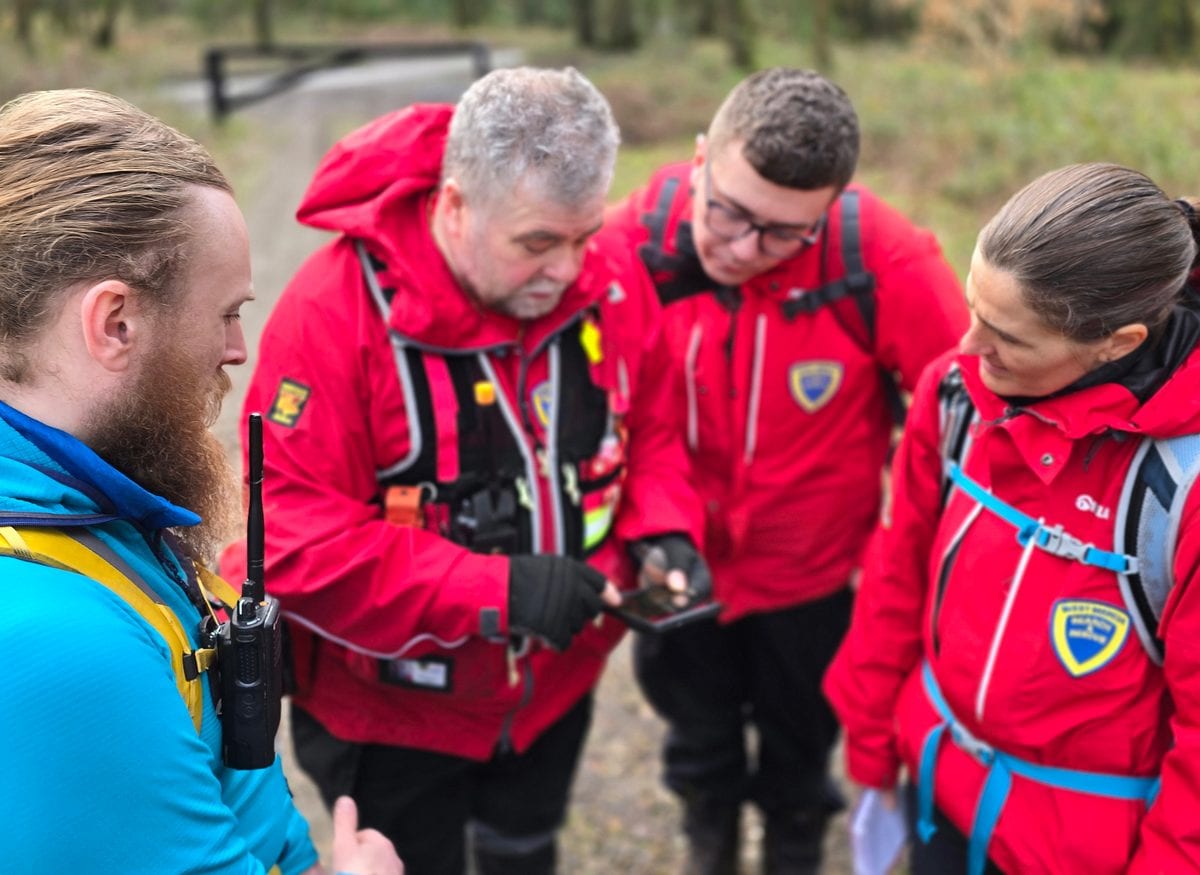
It takes months to become an operational Search Technician. The training covers navigation, search techniques, missing person behaviour, casualty care, radio communications, scene management, personal safety and a great deal more. All of it is delivered by our own in-house training team, supplemented by Lowland Rescue trainers and external providers.
Not everyone who starts the training reaches operational status, because this work asks for a level of sustained commitment that not everyone can maintain alongside their job, their family and their life. It is, in effect, a second job. The people who make it through are the ones who want it badly enough to keep showing up, month after month, in all weather, when it would be easier to stay at home.
Ongoing development
Reaching operational status is not the end of the road.
Our members are required to train every month to maintain their skills and their operational status. If they stop training, they risk being made non-operational.
Beyond the core search technician qualification, members can pursue specialist training in a number of areas. Our swiftwater rescue technicians hold Rescue 3 certification, the international standard for water rescue operations.
We have trained drone operators, sonar operators, boat handlers, team leaders, search planners and search managers. We are also building a search dog team, which represents one of the most effective tools available for locating missing people.
The standards we meet
We are a member of Lowland Rescue, which is the governing body for lowland search and rescue in the UK. Lowland Rescue sets the training standards, the operational procedures and the quality assurance framework that all member teams must meet.
For our water operations, we meet DEFRA standards for flood rescue capability and hold a place on the national flood rescue asset register. Our swiftwater rescue training is provided by Rescue 3 Europe, one of the world’s largest technical rescue training organisations.
We are audited by multiple agencies to ensure that our training, equipment and response is as reliable as the emergency services themselves. We are professionals in all but pay.
Community training
Our commitment to training does not stop with our own team. We also provide training and safety education to the wider community.
Our Home and Dry programme delivers free water safety courses to the public, both online and through in-person sessions at schools and community groups. Over 50,000 people have completed the online course to date.
We offer free CPR training to community groups and organisations, because the actions taken in the first few minutes of a cardiac or drowning emergency can be the difference between life and death.
We also provide first-on-scene guidance for situations where members of the public find themselves confronting an emergency before the ambulance arrives.