
Safety advice
We respond to water-related emergencies across three counties, and we have seen the same situations play out time and again.
A moment of poor judgement near a river. A lack of awareness about how quickly conditions can change. An assumption that because the water looks calm, it must be safe.
This page will not cover everything. Our Home and Dry course goes into far more detail. But if you take nothing else away, remember these things.
Cold water shock
This is the single biggest killer in UK inland water, and almost nobody knows about it until it is too late.
When your body enters cold water unexpectedly, it triggers an involuntary gasp reflex. If your head is under the surface at that moment, you inhale water. Even if you manage to keep your head above water, the shock causes hyperventilation, a racing heart and a surge of panic that makes it almost impossible to swim or think clearly. This happens to strong swimmers and weak swimmers alike.
In the UK, inland water temperatures are cold enough to trigger this response for most of the year, not just in winter. A sunny day in June does not mean the river is warm, and the surface can be 15 to 20 degrees warmer than the water just a metre below.
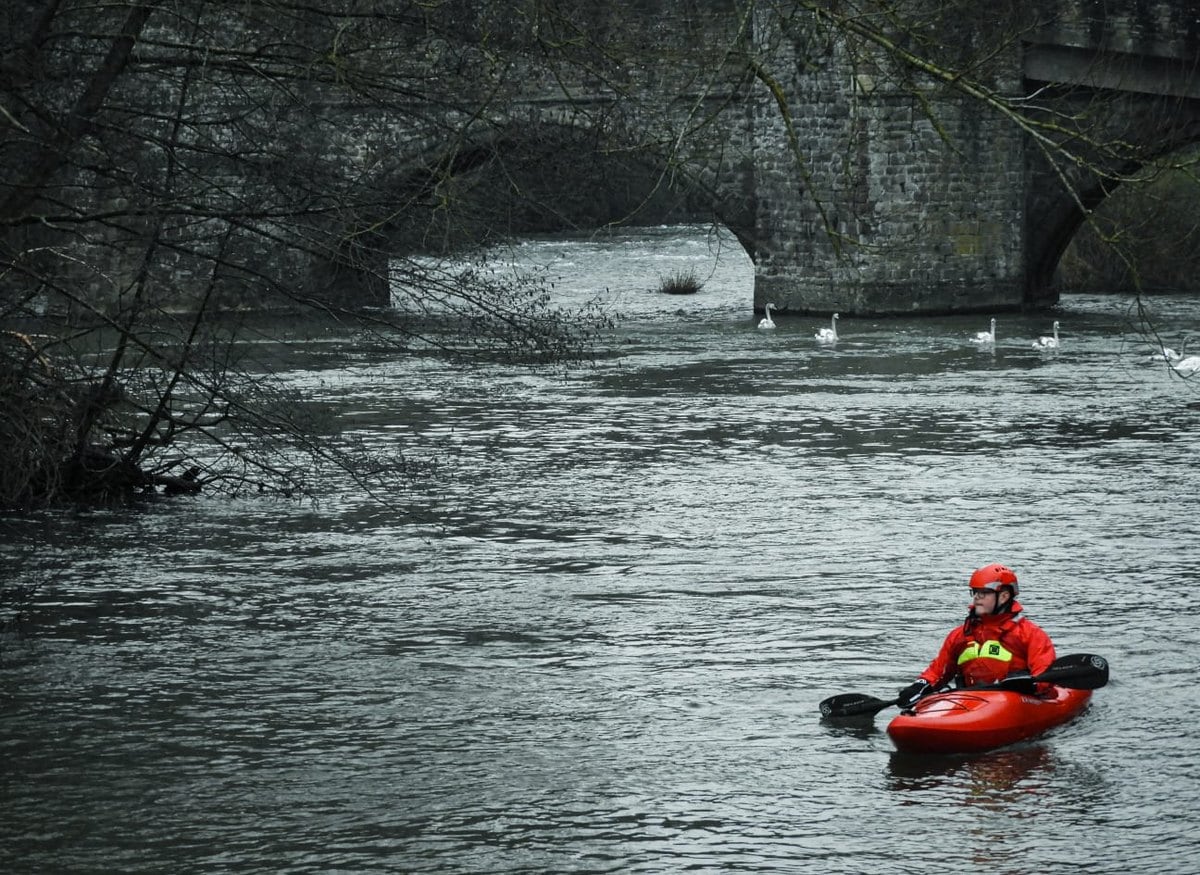
Moving water is stronger than you think
It is almost impossible to stay on your feet in waist-deep water moving at just four miles per hour, and even ankle-deep fast-flowing water can knock an adult over.
A foot of flowing flood water is enough to move a car.
These are not warnings for other people; they apply to every one of us, however strong or confident we feel.
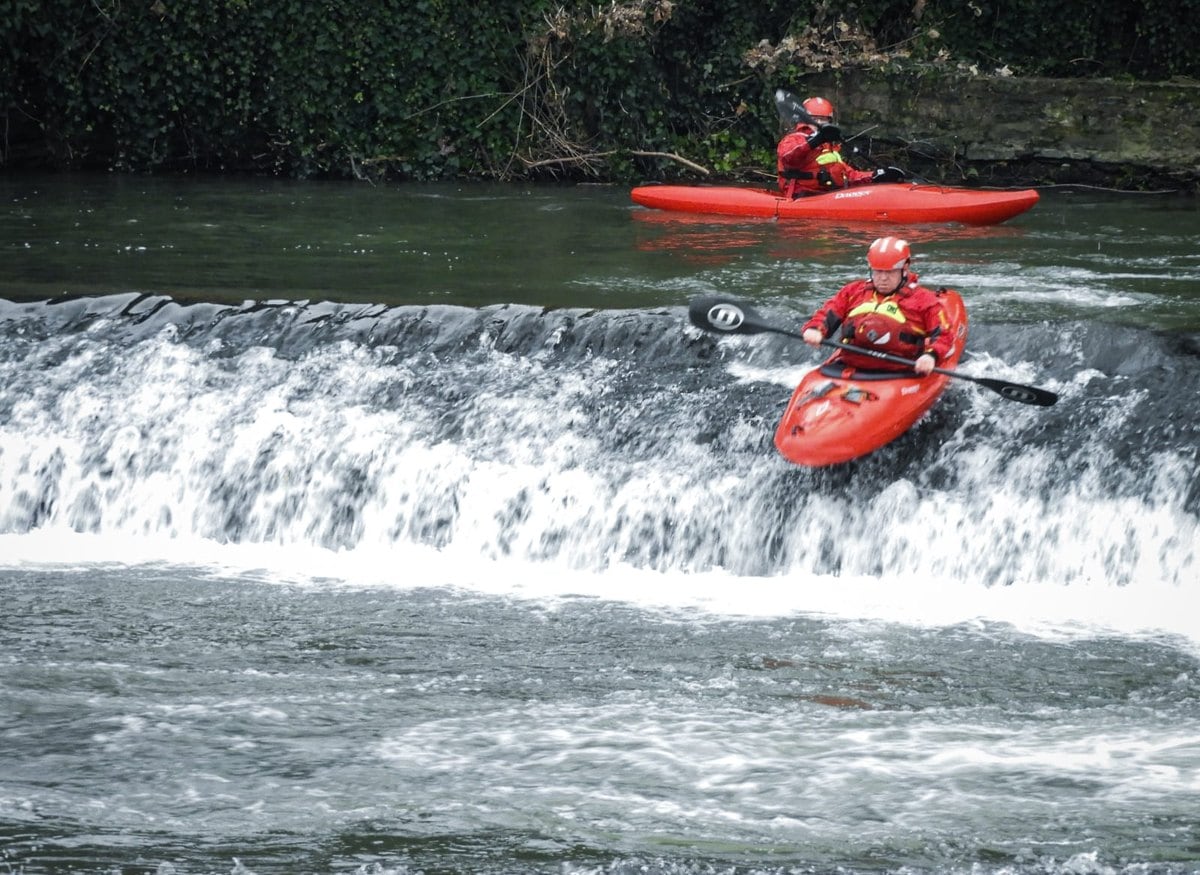
Weirs deserve a special mention.
The water circulating at the base of a weir acts as a trap that can hold even a strong swimmer under the surface, and rescue from it is extremely difficult.
Never swim, paddle or play on or near a weir, and never enter the water upstream of one.
Local waterways
River Severn
The River Severn is the longest river in the United Kingdom and it runs directly through our operational area. It is powerful, changeable and unforgiving. Water levels can rise dramatically in a matter of hours following heavy rainfall upstream, and the current is significantly stronger than it appears from the bank. Hidden currents, sudden drop-offs and slippery rocks catch people out every year, and alcohol near the river makes every one of those risks worse.
River Teme
The River Teme is narrower but just as hazardous. It flows through rural Herefordshire and Worcestershire with numerous weirs, rapids and stretches where the banks are steep and difficult to climb. Getting into the Teme is easy, but getting out is another matter.
Canals
The Shropshire Union Canal and other local canal networks present different hazards. The water is still, which makes it look safe, but canals are typically deep, cold and steep-sided. If you fall in, there may be nothing to hold onto and no easy way to climb out.
Flood water
Flood water is never just water.
It carries sewage, oils, chemicals, debris and solid objects, and it hides hazards you cannot see, including open ditches and missing manhole covers.
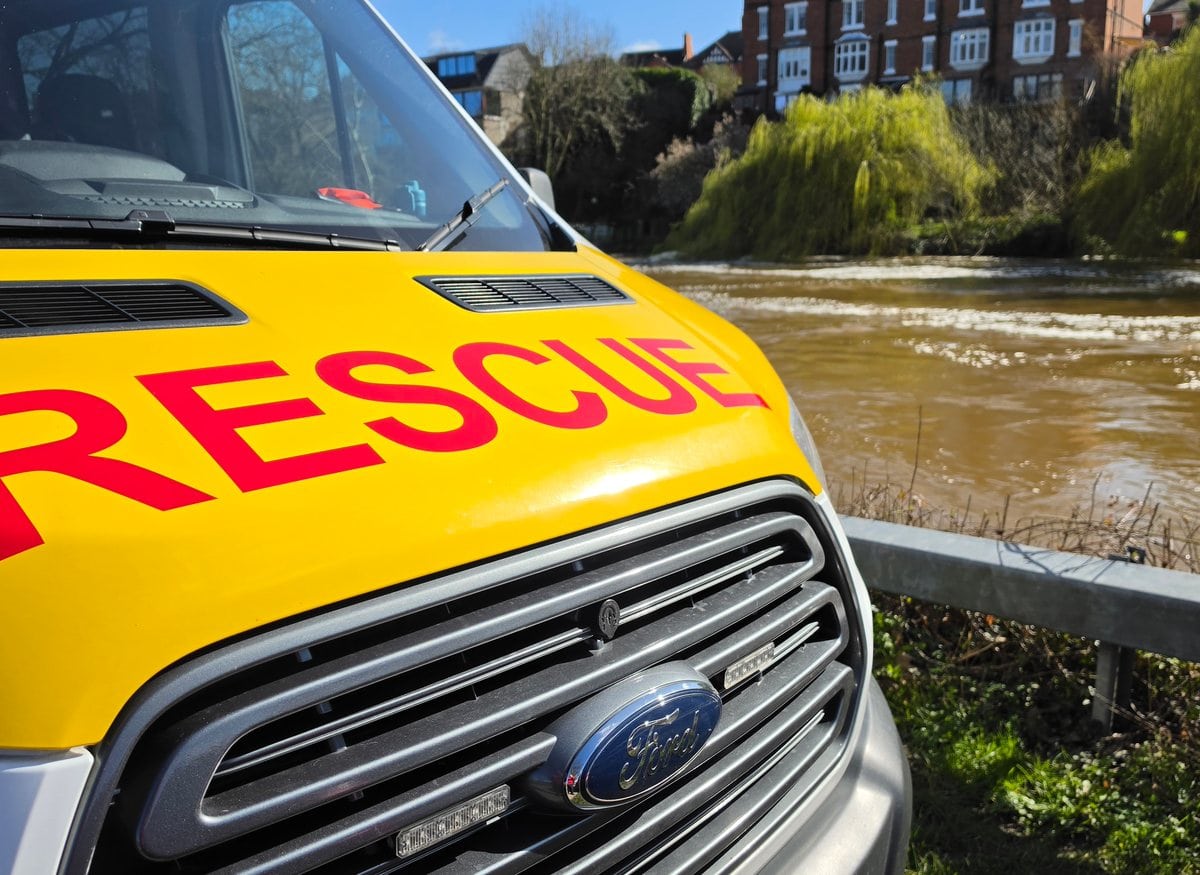
Its depth is difficult to judge from the bank, and a route that was safe earlier in the day can change quickly after rain upstream. Moving flood water can knock you off your feet, while water across a road can hide damage to the surface or carry a vehicle from its path.
Never walk or drive through flood water. Never let children play in it.
Respect road closures and local warnings. If a route is flooded, turn around and find another way.
If you must move through shallow standing water, test the ground ahead of you with a stick.
Seasonal risks
Summer
Hot weather brings people to the water, and that is when drowning rates spike. Open water swimming in rivers and reservoirs is the biggest risk. People jump in to cool down, not realising how cold the water is below the surface. Cold water shock, currents, weeds and hidden objects all contribute to summer drowning.
Autumn
River levels begin to rise after summer. Autumn storms can cause sudden flooding, particularly on the Severn and Teme. Walking routes along river banks that were safe in August can become dangerous by October, and leaves on wet paths near water create slip hazards.
Winter
Ice is never safe. We say this every year, and every year someone ignores it. No ice on any canal, lake, reservoir or pond in this region is thick enough to walk on safely. If you see a child or a dog on the ice, call 999 and do not go onto the ice yourself.
Spring
Snow melt and spring rainfall keep river levels high. Floodplains across all three counties can remain waterlogged well into April and May. Flooded fields may look shallow but can conceal ditches, fences and other hazards beneath the surface.
If you see someone in difficulty
Call 999 immediately and do not enter the water yourself.
Shout to the person to float on their back and keep still, and give them a clear focal point by calling to them from the bank. Look for something you can reach or throw to them: a rope, a branch, a bag, a life ring, anything that floats. Do not lean out over the water towards them. Keep them talking, and stay visible so the emergency services can find you when they arrive.
One last thing you can do for everyone: if you see a damaged or missing life preserver by a river or canal, report it to the local council. It may save a life you will never know about.