How we are deployed
We want to be completely clear about this, because it is one of the most common misunderstandings about what we do.
For the public
You cannot call West Mercia Search & Rescue directly in an emergency. We are not an emergency service. We do not have a public emergency number. If someone you know is missing or in danger, call 999. The police, fire or ambulance services will assess the situation and, if they need our specialist capability, they will contact us.
This is not a bureaucratic barrier. It is how the search and rescue system in the UK works. The police coordinate missing person investigations. The fire service coordinates flood and water rescue. We provide additional specialist resources to support them. By working within this structure, we make sure that searches are properly managed, that resources are not duplicated, and that the right people are doing the right things.
If you would like us to attend a community event, provide a safety talk, or discuss corporate partnership, you are very welcome to contact us through our website. But for emergencies, always call 999 first.
How the callout process works
When the police identify a high-risk missing person in our area, they contact our duty search manager.
This is a trained volunteer who is on call around the clock, carrying a dedicated phone that can ring at any hour of the day or night.
The search manager gathers the information.
Who is missing? When were they last seen? What are the circumstances? What is the risk level?
From this, they build a search plan, identifying the areas most likely to produce a result based on the person’s profile, the terrain, the time of year and the available intelligence.
The alert then goes out to the team. Volunteers receive a message on their phones telling them where to go and when. Within minutes, people across Shropshire, Herefordshire and Worcestershire are leaving their homes, their jobs, their families, and heading to the rendezvous point.
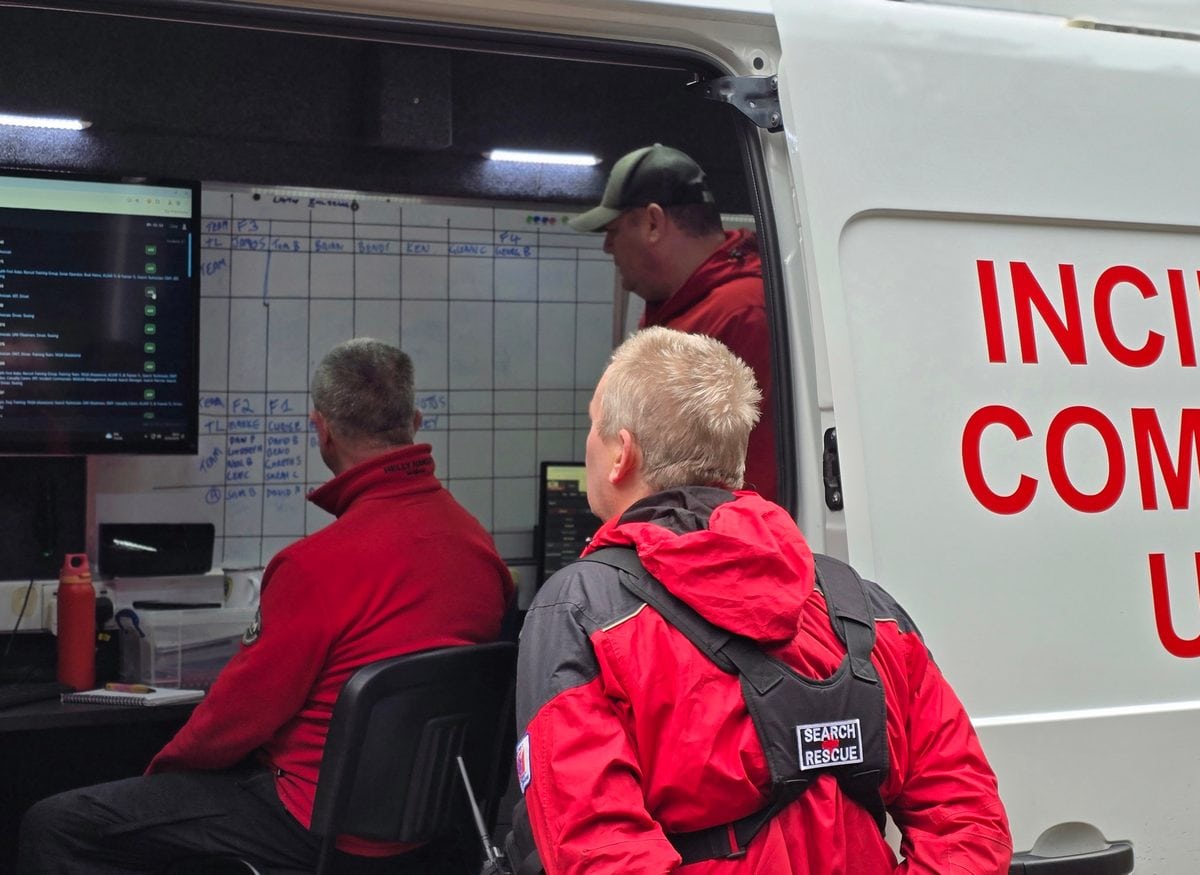
At the scene, the search manager briefs the teams, assigns sectors, distributes equipment and coordinates the search. This might involve foot teams on the ground, boats on the water, drones in the air, or all three at once. The search continues until the person is found, or until the police stand us down.
Our average callout lasts nearly ten hours. Some last much longer. We have been deployed for multiple days on a single search, with team members rotating in and out to maintain coverage around the clock. Every hour of that time is given freely by volunteers who have jobs, families and lives of their own.
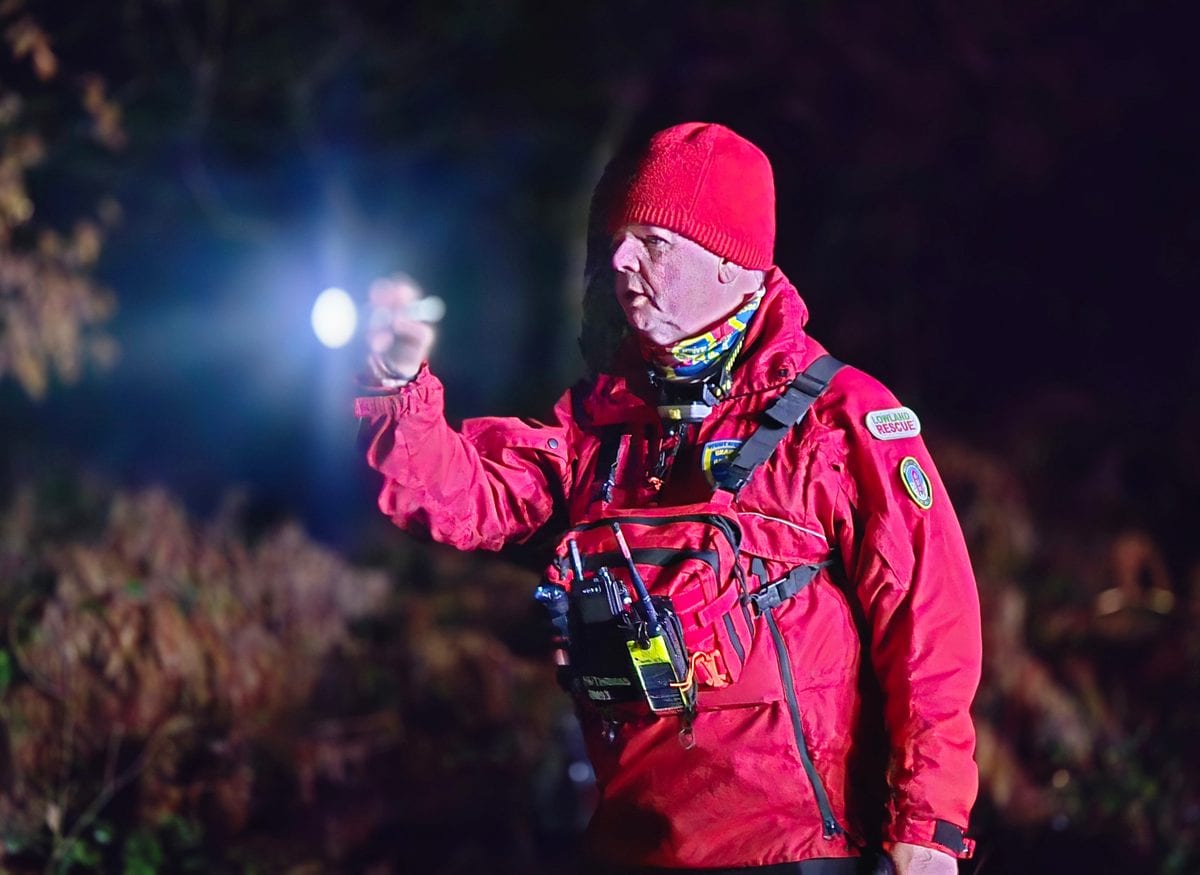
For police officers and control room staff
WMSAR can be deployed by any POLSA or Force Control Room. We have the capability to create a bespoke search plan based on the missing person’s information and deploy search teams on land, river bank or waterways.
Our assets include 4×4 response vehicles, quad bikes, a self-contained incident command vehicle, powerboats, sonar, underwater drone, aerial drones, and over 80 trained Search Technicians. As a member of Lowland Rescue and the UKSAR infrastructure, we can also call in additional assets including search dogs and foot teams from across the UK. We also hold operational agreements with West Midlands Police and West Midlands Ambulance Service.
For officers who are first on scene at the point last seen, our single-page aide-memoire on immediate search tactics is available to download below.
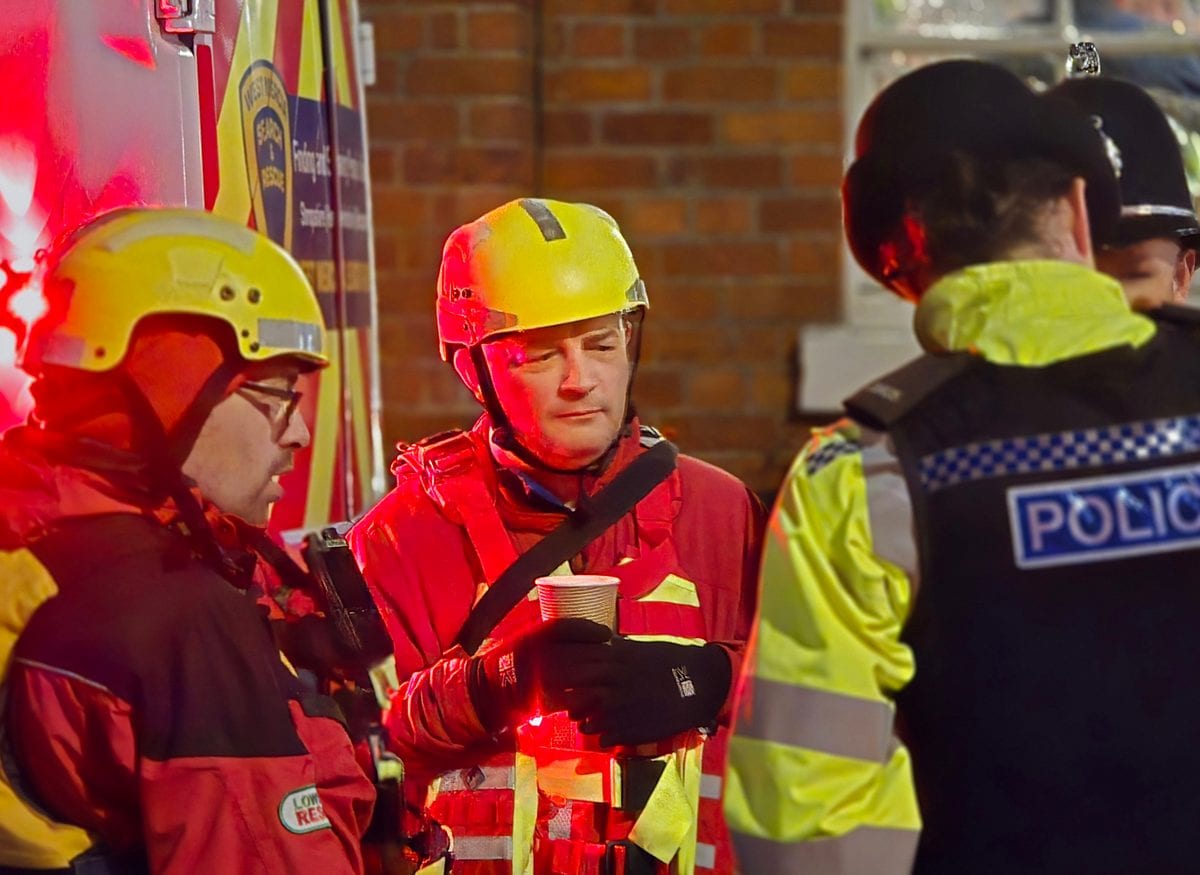
For fire service control rooms
WMSAR holds memorandums of understanding with both Hereford & Worcester Fire and Rescue Service and Shropshire Fire and Rescue Service for deployment in any water-based emergency. Fire service control rooms can call us directly and we will respond with DEFRA Type B powered boat teams or DEFRA Type C swiftwater rescue teams.
For ambulance crews
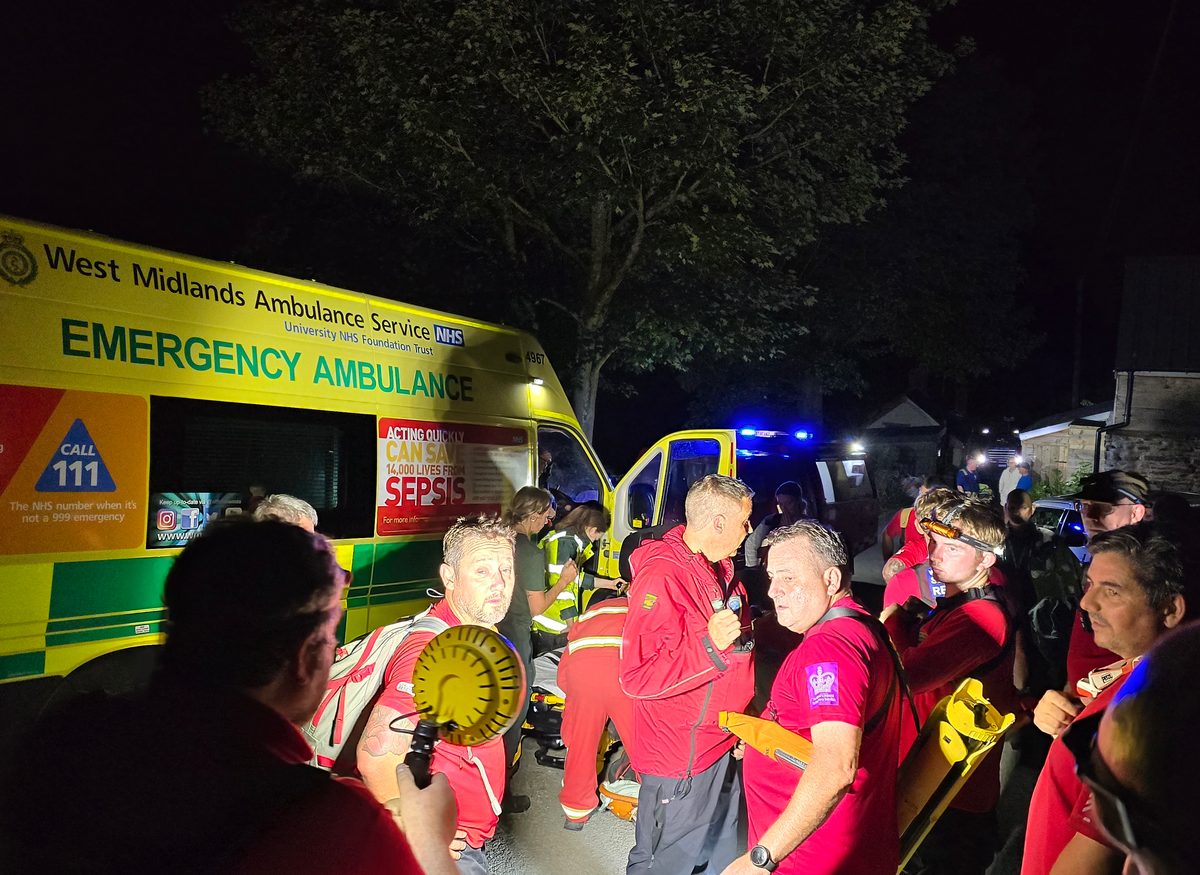
WMSAR is part of the UKSAR infrastructure. Our role is to stabilise any casualty until your medical teams arrive.
In situations where a casualty is in a position that would worsen their condition or become dangerous, we are trained to move them to a safer location.
For remote casualties in wilderness, forest or farmland, our teams will help get you and your equipment to the casualty, and the casualty to your vehicle.
All casualties are issued a Lowland Rescue standard patient report form, which is handed to ambulance staff on transfer. Our members hold qualifications ranging from First Aid at Work to First Person on Scene (Intermediate).